

Difficulty Chewing and TMJ Disorders in St. Louis
Difficulty chewing, jaw fatigue, or pain while eating may be signs of an underlying TMJ disorder. At TMJ & Sleep Therapy Centre of St. Louis, we help patients identify the causes of chewing discomfort and develop personalized treatment plans designed to improve jaw function and daily comfort.Why Is It Difficult to Chew?

Common Symptoms of TMJ Difficulty Chewing
Signs Your Jaw May Be Contributing to Chewing Problems
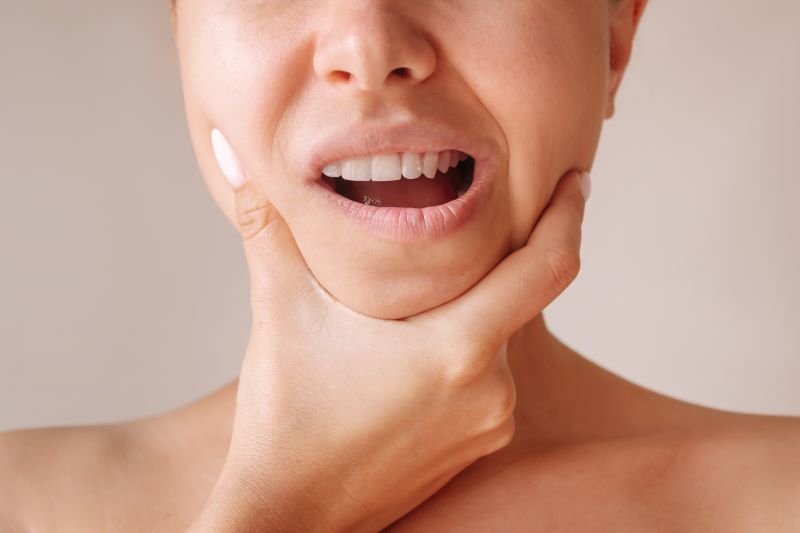
Difficulty chewing can present in several different ways. Some symptoms may develop gradually, while others appear suddenly during meals or after periods of increased jaw activity.
Common symptoms include:
- Jaw pain while chewing
- Jaw fatigue during meals
- Feeling like your jaw gets tired when chewing
- Pain when biting into harder foods
- Difficulty opening the mouth fully
- Jaw stiffness, especially in the morning
- Clicking, popping, or grinding sounds in the jaw
- Facial pain or tenderness
- Headaches associated with jaw tension
- Episodes of jaw locking or restricted movement
- Feeling that it is difficult to chew on one side
Many patients describe the sensation as having to work harder than normal to eat foods that were once easy to chew.

Personalized Treatment for TMJ-Related Chewing Problems
Non-Invasive Treatment Options
At TMJ & Sleep Therapy Centre of St. Louis, treatment focuses on identifying and addressing the underlying causes of jaw dysfunction rather than simply masking symptoms.
Depending on your needs, treatment recommendations may include:
- Comprehensive TMJ evaluation
- Custom oral appliance therapy
- Management of teeth grinding and clenching
- Jaw stabilization therapies
- Bite analysis
- Lifestyle and habit modifications
- Muscle relaxation strategies
- Sleep and airway assessments when appropriate
- Collaboration with other healthcare providers when needed
Every treatment plan is personalized based on the patient’s symptoms, functional limitations, and diagnostic findings.
When Should You Seek a TMJ Evaluation?
Don’t Ignore Persistent Difficulty Chewing
Occasional jaw fatigue can occur after prolonged chewing or periods of increased jaw activity. However, ongoing symptoms should not be ignored, especially if they begin affecting your ability to eat comfortably or enjoy your normal daily activities.
If you regularly experience difficulty chewing, jaw pain while eating, or a sensation that your jaw gets tired when chewing, it may be time to seek a professional evaluation. Other signs that warrant attention include clicking or popping accompanied by discomfort, limited jaw movement, episodes of jaw locking, or recurring headaches, facial pain, and ear symptoms that occur alongside chewing difficulties.
Because TMJ disorders can progress over time, early evaluation may help identify contributing factors before symptoms become more severe. A comprehensive assessment can help determine whether TMJ dysfunction is affecting your jaw function and guide personalized treatment recommendations.
Contact the TMJ & Sleep Therapy Centre of St. Louis to schedule a comprehensive TMJ evaluation and learn whether TMJ dysfunction may be contributing to your chewing difficulties.
Frequently Asked Questions About Difficulty Chewing in St. Louis
Q: Can TMJ cause difficulty chewing?
Q: Why does my jaw get tired when I chew?
A: Jaw fatigue during chewing may occur when the jaw muscles are working harder than normal due to TMJ dysfunction, clenching, grinding, or muscle strain.
Q: Can TMJ cause pain when chewing?
Q: Why is it hard to chew certain foods?
Q: What does TMJ difficulty chewing feel like?
Q: Can teeth grinding cause difficulty chewing?
Q: When should I see a specialist for difficulty chewing?
A:
If symptoms persist, worsen, or interfere with eating, speaking, or daily activities, a comprehensive TMJ evaluation can help determine whether jaw dysfunction may be contributing to the problem.

Get In Touch
We love hearing from YOU! Send us your questions and inquiries, we will be happy to assist you.